the top 12 foods to buy organic for your baby
On May 17, 2018 by karenWe experience it each time we step into a grocery store. That organic or not-organic dilemma. Do we choose the more expensive “organic” apples and feel confident that we are feeding our family healthy produce (but have the money-guilt), or do we go for the less expensive “non-organic” apples, feeling glad that we will save a little money (but have the concern over safety)?
For most of us, it’s a struggle! We ALL want to feed our families and ourselves the BEST food possible, but most of us need to stick to a budget. Fortunately, there is a happy medium.
Every year the Environmental Working Group comes out with two lists on what foods have the highest pesticides and what have the least; to help shoppers pick and choose which foods we should probably suck up the extra money to buy organic, and which foods we can save some money on and buy conventional.
The 2018 report is out! Below you’ll find to find the top 12 foods to buy organic for your baby (and which to not!), the key findings from the EWG’s report and the top research on pesticides and the body from this past year.
top findings
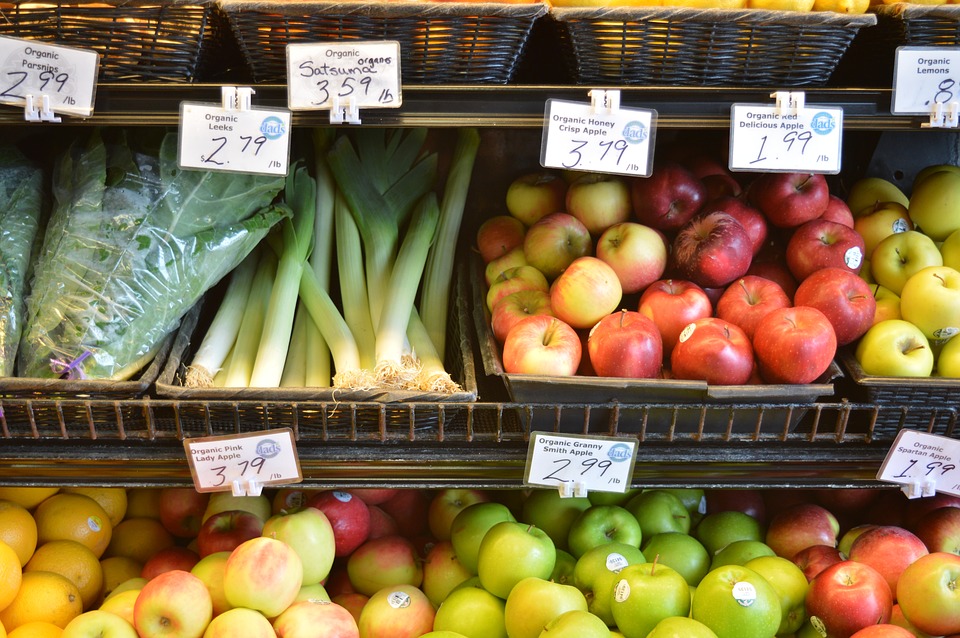
This year, the EWG found that almost 70 percent of produce tested contained chemical pesticides. Strawberries, spinach and nectarines topped the list for having the most pesticide residue 2 years running. Strawberries contained over 20 different pesticides, and spinach contained nearly double the pesticide residue than any other fruit and veggie.
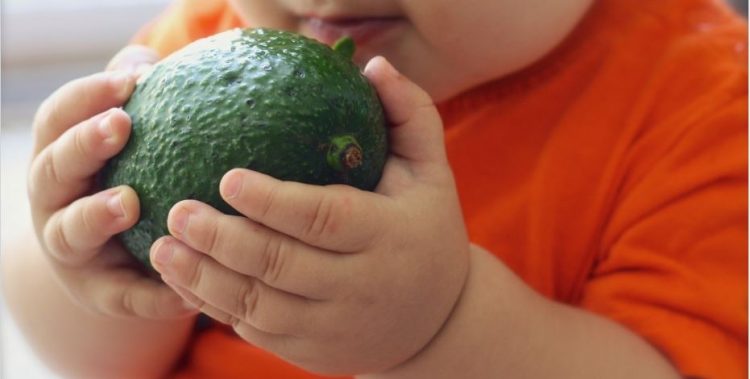
Of all the produce tested, avocadoes and corn were found to be the “cleanest”, with only 1 percent showing any detectable pesticide. In addition to testing produce, the report also highlighted important research from this past year on the impact of pesticide consumption on the body. This year, the evidence-based research showed how eating foods with pesticide residue can impact pregnancy and the health of our little ones.
eating organic foods can boost fertility
Harvard University recently found that women who are looking to get pregnant can drastically increase their chances just by eating organic foods. The researchers found that pregnant women who ate just over 2 servings of high-pesticide produce throughout their pregnancy were 26 percent less likely to have a successful pregnancy than those who ate less than one serving a day.
Researchers suggested that by choosing just one organic fruit or veggie over a non-organic one a day can help improve your chances of a healthy pregnancy by 88%! So for pregnant mamas, it may be worth it to start paying the extra money for organic produce.
young childrens exposure to chemical pesticides
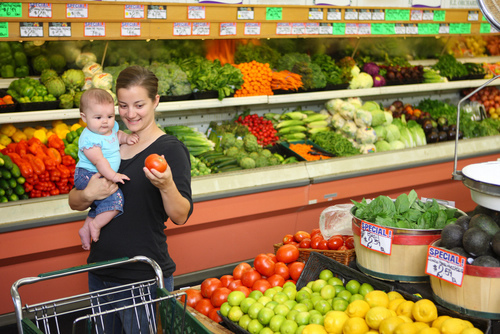
The EWG’s report pointed out that certain fruits and veggies, such as apples, bell peppers, peaches and nectarines have recently been found to contain chemicals such as chlorpyrifos that (even in small amounts) can harm infants, babies and young children. Sadly, it can physically alter a child’s brain, lower IQ and potentially cause diseases such as lung cancer and Parkinson’s disease in adults.
According to Sonya Lunder of the EWG, “It is vitally important that everyone eats plenty of produce, but it is also wise to avoid dietary exposure to toxic pesticides, from conception through childhood.”
If you’re looking to start adding some more organic items to your shopping cart, here is the complete list to help you pick and choose which to buy organic. If you would like to read the EWG’s final report, look here.
dirty dozen
The top 12 foods to buy ORGANIC whenever possible:
-strawberries
-spinach
-nectarines
-apples
-grapes
-peaches
-cherries
-pears
-tomatoes
-celery
-potatoes
-sweet bell peppers
clean fifteen
List of foods with the lowest levels of chemical pesticides:
-avocadoes
-sweet corn
-pineapples
-cabbage
-onions
-frozen sweet peas
-papayas
-asparagus
-mangoes
-eggplant
-honeydew melon
-kiwi
-cantaloupe
-cauliflower
-broccoli
Snap a photo, print or write these lists out and save them to your phone. Use your judgement from there, and don’t be too hard on yourself either way you go. Small choices make a big difference when it comes to health and nutrition. For example, I always buy organic spinach and apples. No exception. The other stuff, I do what I can. It’s all about being educated and thinking for yourself. Use the information and the budget you have to make the best choices.
And don’t stress.
Feeding your family non-organic vegetables is infinitely better than feeding them none at all. Hopefully, the two lists I’ve shown you will help you navigate the organic question the next time you’re at the supermarket.

Hello! I am Karen Folcik, a wife, mama, speaker and author of Happy Tummies: A Cookbook for New Mamas. For recipes, tips and more follow me @happytummiescookbook on Instagram, Facebook and Pinterest.