9 foods you didn’t know you could feed your baby
On October 15, 2017 by karen
Many of us know that foods like bananas, avocado, brown rice, sweet potatoes and chicken are perfect starter foods for babies because they are nutritious yet mild tasting. But did you know you don’t have to be limited to the few most popular baby food ingredients?
Chances are, most of what’s in your fridge or pantry is baby-safe when prepared and cooked properly. The American Academy of Pediatrics actually suggests introducing babies to a wide variety of flavors as they learn to eat solid foods. Next time you are at the store, or browsing your pantry, consider introducing your baby to one of these super nutritious foods.
low-mercury fish
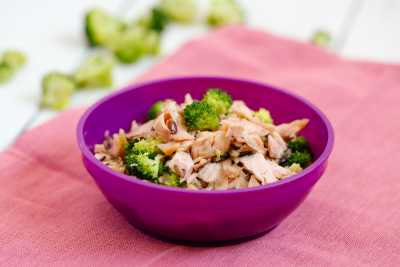
Low-mercury fish such as salmon and tilapia are an excellent source of vitamins, antioxidants and protein. They contain a boatload of Omega-3 fatty acids, and may promote healthy growth and brain development in infants. Suitable for babies six months and up.
*Hold off on feeding baby any type of shellfish, like lobster, clams, shrimp, mussels, and crab until after his first birthday.
millet
Millet is an easily digestible, gluten-free seed that’s a staple in many African and Asian cultures. It contains healthy doses of protein, magnesium, and antioxidants, and helps regulate blood pressure, cholesterol, and blood sugar. Millet promotes healthy muscles, bones, hair, and nerves. For babies, you can grind raw millet to make homemade infant cereal or cook it whole for older babies. Millet is suitable for little ones 7 months and up.
egg yolk
Fully cooked egg yolks are an excellent source for protein, vitamins A and B, potassium, and selenium. These nutrients help keep the eyes, heart, brain, and cell membranes healthy. Egg yolks are suitable for babies 8 months and up.
*Wait until baby turns one to serve egg whites, as this can cause an allergic reaction.
tofu
Tofu is another excellent source of protein, but this time it’s plant-based. Tofu offers about 10 grams of protein in every 1/2 cup, and contains all eight essential amino acids. It is also rich in both calcium and manganese. If you aren’t familiar with tofu, it’s a man-made product derived from soy beans. It doesn’t need to be cooked before being served to baby, making it a super easy meal to prepare. Tofu is suitable for infants 8 months and up.
quinoa
Quinoa is the gluten-free seed from the quinoa plant. It is one of the best sources of protein, containing all nine amino acids (usually only present in animal-based protein sources like beef). It is also extremely high in fiber, manganese, magnesium, and riboflavin. Quinoa is good for your heart and brain and helps your body build strong bones and teeth. For babies, you can grind uncooked quinoa into a powder to make quinoa infant cereal, or cook it whole for older babies. Quinoa is suitable for little ones 8 months and up.
papaya
Papaya is sweet tropical fruit, and is an excellent source of potassium, fiber, folate, and vitamins C, A, and E. Some research suggests that it may protect against disease such as cancer. Ripe papaya is yellow or golden in color and can be scooped out of its skin like a ripe cantaloupe. If you find a papaya on sale at the grocery store, give one a try! They are sweet, and make a delish puree when combined with bananas. Papayas are suitable for little ones nine months and up.
chia seeds
Chia is a nutritious seed that contains more Omega-3 fatty acids than salmon. They are also high in fiber and protein and promote a healthy brain, heart, teeth, and bones. Chia seeds are fully digestible whole, but some nutritionists suggest grinding them for baby. If you grind chia seeds, use them right away since they don’t stay fresh for long.
Though super nutritious, only serve chia to baby a few times a week in small batches. Stir into yogurt or a fruit puree as a nutritional booster, not as the main ingredient. Chia is suitable for babies nine months and up.
prepared beans
Beans are extremely high in protein (about 14 grams per cup!), and generally low in fat and calories. Most beans are heart-healthy and rich in fiber, folates, and potassium. They are an excellent source of antioxidants, and may relieve constipation, combat fatigue, and reduce irritability. Some nutrition experts say they may reduce the risk of diabetes and cancer. Prepared beans make an excellent food for independent feeders since they are small for little fingers, and soft. Beans are suitable for babies nine months and up.
cottage cheese
Cottage cheese is high in protein and calcium as well as B-complex vitamins. It’s an easy snack for new moms to give their babies because it’s already a soft, smooth texture, and there is no need to cook it. Cottage cheese is suitable for babies nine months and up.
references

Hello! I am Karen Folcik, a wife, mama, speaker and author of Happy Tummies: A Cookbook for New Mamas. For recipes, tips and more follow me @happytummiescookbook on Instagram, Facebook and Pinterest.