5 proven ways to increase your milk supply – and 4 to avoid
On August 24, 2017 by karen From lactation cookies to mother’s teas and more, breastfeeding mama’s with low supply are on the hunt to figure out what they can do or take to increase milk supply. There are so many techniques, products and recipes out there that claim to increase supply, but which ones actually work?
Here are my top five evidence-based recommendations for how to increase milk supply, and four to avoid.
the gist
Milk production works on a supply-and-demand basis. Your body will keep up with your baby’s nursing schedule and produce as much milk as he normally drinks. If your baby feeds frequently, your body will start making more milk right after each nursing session because it knows that your baby will want to eat again soon after.
According to the La Leche League, babies may not be able to drink as much as they want if they have a health issue such as a muscle or neurological problem or tongue-tie. For one of these reasons, you may not be able to express milk as much as you’d like because baby simply isn’t able to take it.
As mama, you might not be able to make enough milk if you have a thyroid problem or have had nipple or breast surgeries. Supplementing with formula or water means that your baby is missing that nursing session. Frequently supplementing can decrease your supply because your body will stop making milk for that nursing session.
First, talk to a your doctor or a lactation consultant to figure out why your supply is low. Are you not making enough milk because you aren’t expressing it enough? Or could it be health related? Next, try one of these strategies for boosting your supply.
increase breastfeedings
Milk production works on a supply-and-demand basis. If your baby feeds frequently, your body will start making more milk right after each nursing session because it knows that your baby will want to eat again soon after.
Start by giving your baby extra feedings throughout the day until your supply is back up. Aim at feeding your baby every 2 hours during the day and every four throughout the night. Allow your baby to stay at the breast until your baby is ready to be done, and ends it himself. If you work during the day, increase pumpings. Store extra milk in the freezer.
offer only breastmilk
In combination with increased nursing sessions, try to avoid feeding your baby formula or water throughout the day. If you are in the habit of giving one of these liquids to your baby in a sippy cup or bottle, replace it with a nursing session instead. Offering only breastmilk will can help increase your demand.
glactagogue foods
In combination with increasing feedings, many mothers find that eating certain herbs or foods helps their supply, though research on this topic is mixed.
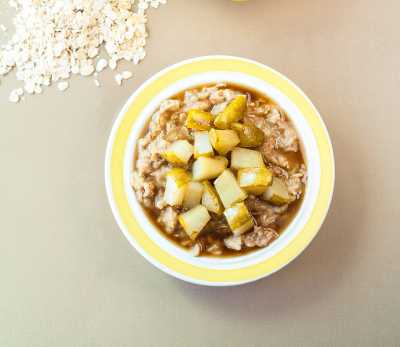
Foods that the La Leche League,a prominent breastfeeding advocacy group, suggests as helping to increase milk production are: barley, brown rice, oatmeal and fennel. How much should you eat? One large serving a day, ie. one bowl of oatmeal every morning until you notice an increase in supply. Try to stick to healthy recipes focused mainly on the glactogue ingredient. Oatmeal lactation cookies sound delicious, but you’d have to eat a lot of those to equal a full bowl of oatmeal!
Common herbs for boosting milk production are: goat’s rue, shatavari and fenugreek, and are commonly found at health food stores. If there isn’t one nearby, try ordering from vitacost.com. They ship within a day or two and have competitive prices. As always, consult a health professional before use.
breast compression
Breast compression helps you maximize the amount of milk that is expressed during nursing. On occasion, while baby is latched, gently push your milk down on your milk gland to help let down more milk. As baby drinks more milk during sessions, more milk is made.
prescription medication
If you feel like you have tried everything and your milk supply is still low, talk to your doctor about a prescription medication. Certain medications can be used to increase prolactin and boost your milk production.
avoid: pacifiers, bottles and nipple shields
If you want to increase your supply, you’ll want your baby at your breast as much as possible. If you are used to giving your baby a pacifier during the day, try to soothe baby by breastfeeding instead. Also, try to limit the use of bottles and nipple shields as the bare breast is best. Skin-to-skin contact can help the release of prolactin and oxytocin which reduce stress and increase milk production.
avoid: substances that reduce supply
According to the La Leche League, herbs such as parley, sage and peppermint and medications such as birth control and pseudoephedrine, can decrease your supply, so avoid them for now!
Best of luck mama, and don’t give up! You can always reach out to a lactation counselor in your area, or a local La Leche Group for more breastfeeding support.
For more information on balancing breastfeeding while starting solid foods, check out Happy Tummies, a cookbook for new mamas.
references
- Breast Compression, by Dr. Jack Newman, FRCPC, 2005
- Early Skin-to-Skin Contact Between Mothers and Newborns, by Dr. Sarah Buckley, National Partnership for Women & Families, 2015.
- Hormonal Physiology of Childbearing: Evidence and Implications for Women, Babies, and Maternity Care, by Dr. Sarah Buckley, National Partnership for Women & Families, January 2015.
- The Use, Perceived Effectiveness and Safety of Herbal Galactagogues During Breastfeeding: A Qualitative Study, by Tin Fei Sim, H. Hattingh, Jillian Sherriff, and Lisa Tee, International Journal of Environmental Research and Public Health, 2015.
- The Womanly Art of Breastfeeding, by Diane Wiessinger, Diana West and Teresa Pitman (Ballantine Books, 2010)

Hello! I am Karen Folcik, a wife, mama, speaker and author of Happy Tummies: A Cookbook for New Mamas. For recipes, tips and more follow me @happytummiescookbook on Instagram, Facebook and Pinterest.